


On Tuesday a coalition of grizzly bear advocates filed a petition with the Montana Fish and Wildlife Commission to require hunters and trappers to carry bear spray in the state. They argue that it will keep sportsmen safer and reduce grizzly bear mortality.
Local outlets are reporting 19 Montana groups and 46 individuals have backed the petition for “public safety.” The full text and the petitioning organizations and individuals have not yet been made available to the public, and the Commission did not immediately respond to a records request from OL.
The petition was filed a day after the Interagency Grizzly Bear Committee published a detailed report on the fatal attack of a hiker in Montana’s Glacier National Park this spring. Despite the hiker’s apparent defensive use of bear spray, he did not survive.
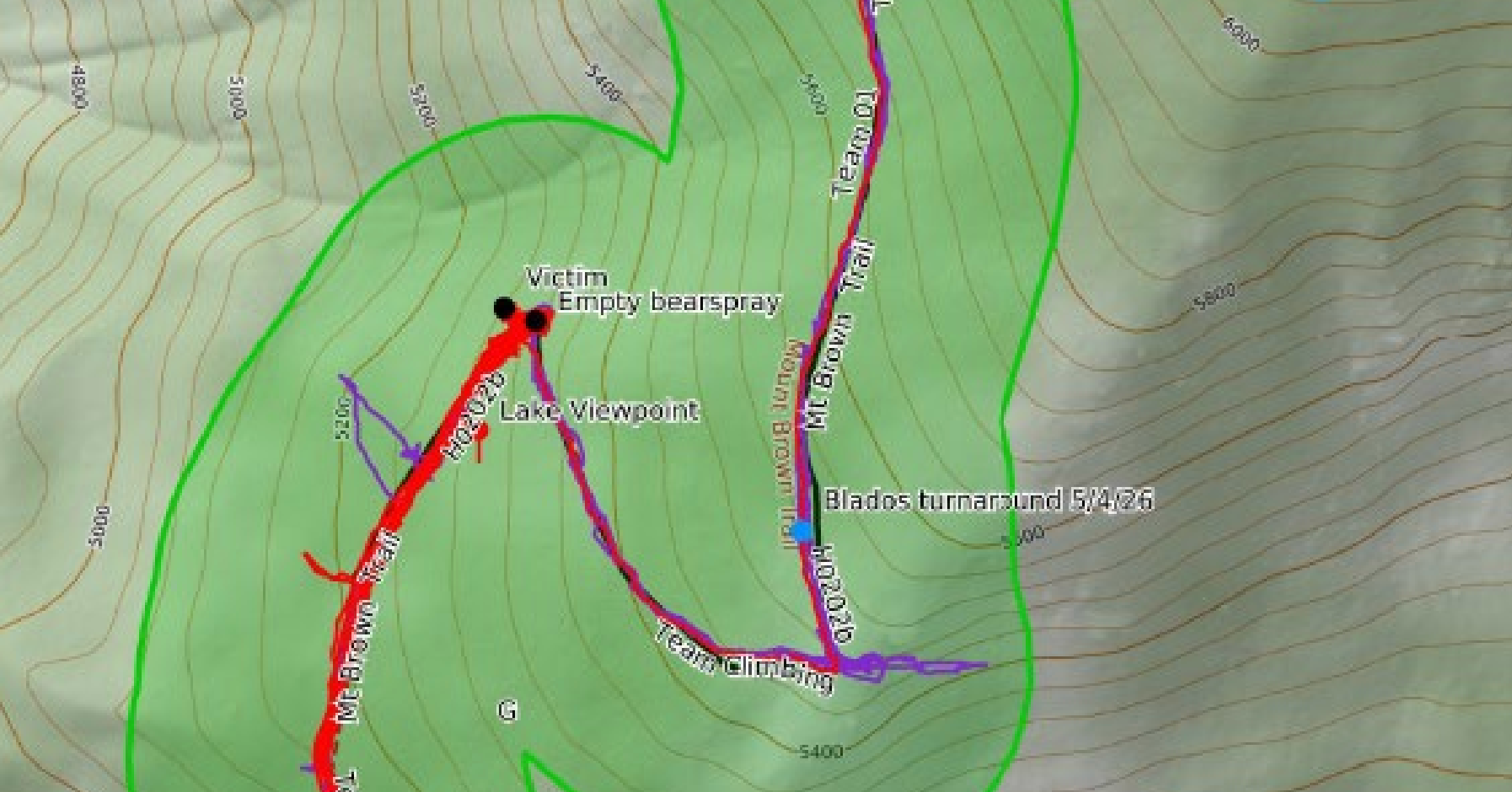
The 33-year-old hiker was descending to a trailhead after sunset when he encountered a male grizzly. The report shows the victim, Anthony Pollio, deployed and emptied his canister of bear spray at the point where “the bear launched its attack.”
“During the initial assault, Mr. Pollio managed to discharge his bear spray, but it is unknown if and where the spray contacted the bear. Mr. Pollio tumbled down slope, probably while the bear continued its attack, for 93 ft,” the report reads. “We surmise that the bear broke off the attack at that time allowing Mr. Pollio to climb upslope approximately 18 ft at which point the bear reengaged and killed Mr. Pollio with crushing bites to the head. The attack was likely brief and intense and not prolonged.”
Similar petitions requiring hunters to carry bear spray failed in Wyoming and Idaho, according to Cowboy State Daily. Animal advocates argue that conflicts with hunters are a leading cause of death for grizzly bears in the Greater Yellowstone Ecosystem, which spans parts of Montana, Wyoming, and Idaho. (Glacier National Park, where Pollio was fatally mauled in May, is in the Northern Continental Divide Ecosystem, where grizzlies are expanding their range and conflicts are also common.)
In other words, animal advocates hope that mandating hunters (and trappers) to carry bear spray in addition to firearms, fewer bears will be killed. Their focus is on preventing individual animal deaths, which set a record in 2024 at 72 known or suspected grizzly mortalities in the GYE.
Seventy of the 72 bear mortalities that year were human-caused, according to the Interagency Grizzly Bear Study Team. Those causes break down to:
- 28 bears killed for management removals after livestock depredation
- 15 bears killed due to conflict in human-used areas
- 15 bears killed in self defense
- 7 accidental mortalities (3 drownings, 2 vehicle strikes, 2 electrocutions)
- 3 illegal killings
- 1 mistaken identification
- 1 humane removal of an injured orphaned cub
So far in 2026, most of Montana’s 23 grizzly deaths have been the result of conflict removals (10) and car strikes (6). None have yet been attributed to self defense as of press time.
Despite individual mortality, the GYE grizzly population as a whole is robust. Grizzlies have long since exceeded their population recovery goals and it’s no surprise that bear conflicts and bear fatalities are increasing as their numbers increase. Conservative estimates put the population at around 1,050 bears in the monitoring area alone, and roughly 2,000 in the Lower 48 as a whole.
Many authorities have long maintained that bear spray is the most effective tool in a grizzly encounter, pointing to two studies of firearm use in bear encounters and bear spray efficacy. The latter study from 2008 found that “red pepper spray stopped bears’ undesirable behavior 92 percent of the time when used on brown bears.” Both studies analyzed historical bear encounters in Alaska rather than the Lower 48.
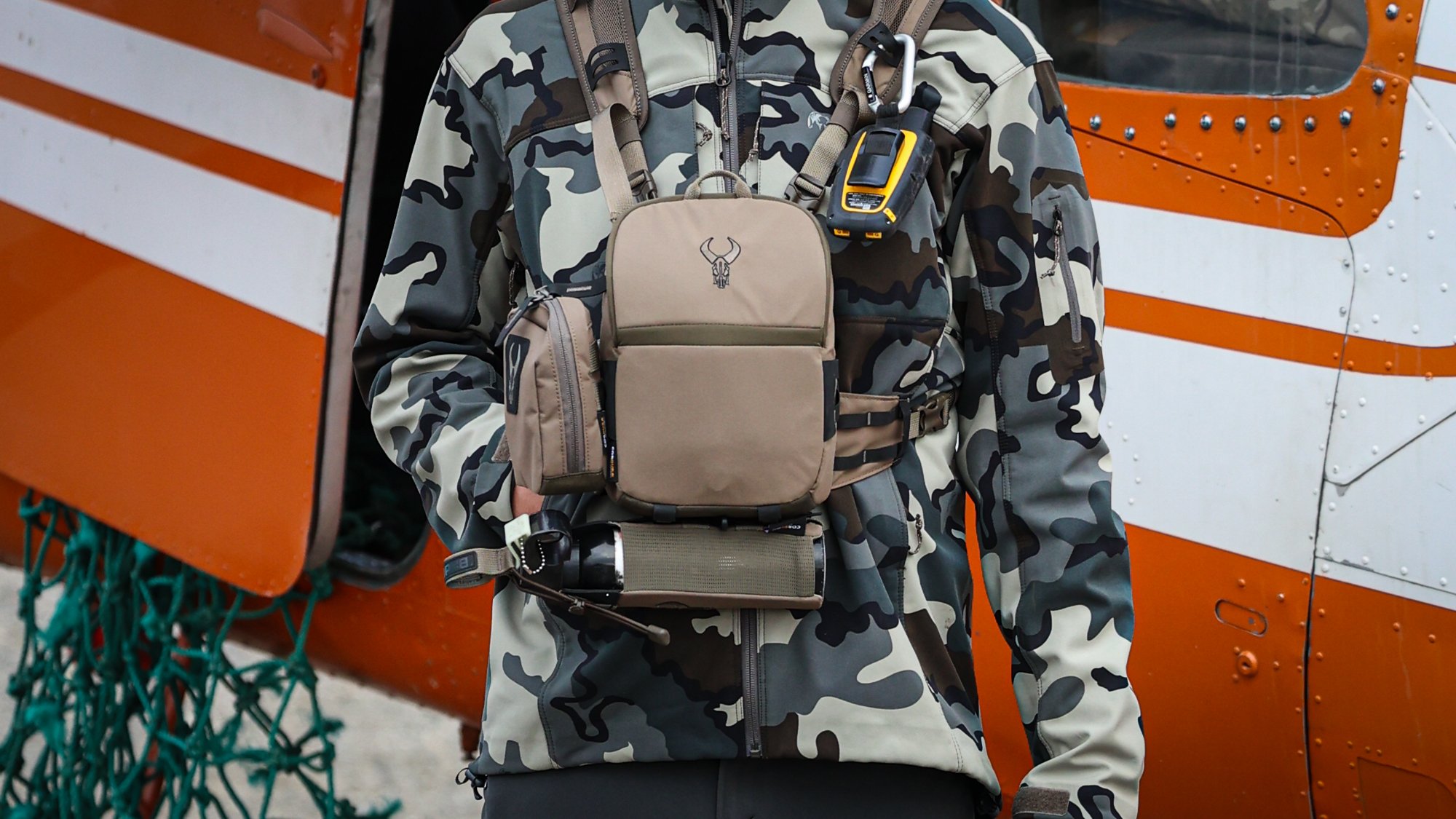
The IGBC advises against traveling at dusk, dawn, and at night, when bears are most active. It also recommends staying in groups that do not separate and making loud noise in the backcountry. These precautions directly conflict with the nature of hunting and trapping, which often require solo trips (such as checking trap lines), stealth, late-night travel back to camp, and packouts of cached game meat.
Related: The Feds Aim to Return Grizzly Bear Management to Western States. Could Federal Delisting Be Next?
“It’s one of those things that sounds good on paper. But the actual logistics of implementing that, monitoring it and babysitting people to carry it — that’s a whole other issue,” hunter and media personality Guy Eastman told Cowboy State Daily. “You think you’re going to set your rifle down and reach for the bear spray? No. There’s going to be a ‘boom.’”
Read the full article here
