


8:46 a.m. The first moment of impact. For most Americans alive at the time of the 9/11 attacks, the sights and sounds of that morning play on a horrific loop in their minds. The logistical aftermath, however, less so.
Now, on the 25th anniversary of the attack, the National Museum of the United States Army is providing key insight into the logistical hurdles of rescue and cleanup that began mere moments after the first hijacked plane struck the Twin Towers.
In its latest exhibit, “Steel and Stone,” the museum highlights the U.S. Army Corps of Engineers and its role in the nation’s response and recovery at Ground Zero, the Pentagon and Shanksville, Pennsylvania.
“It’s a story that a lot of people don’t know about,” Paul Morando, the museum’s director, told Military Times. “We wanted to bring out those stories, those artifacts that have never been seen before and put them on display.”
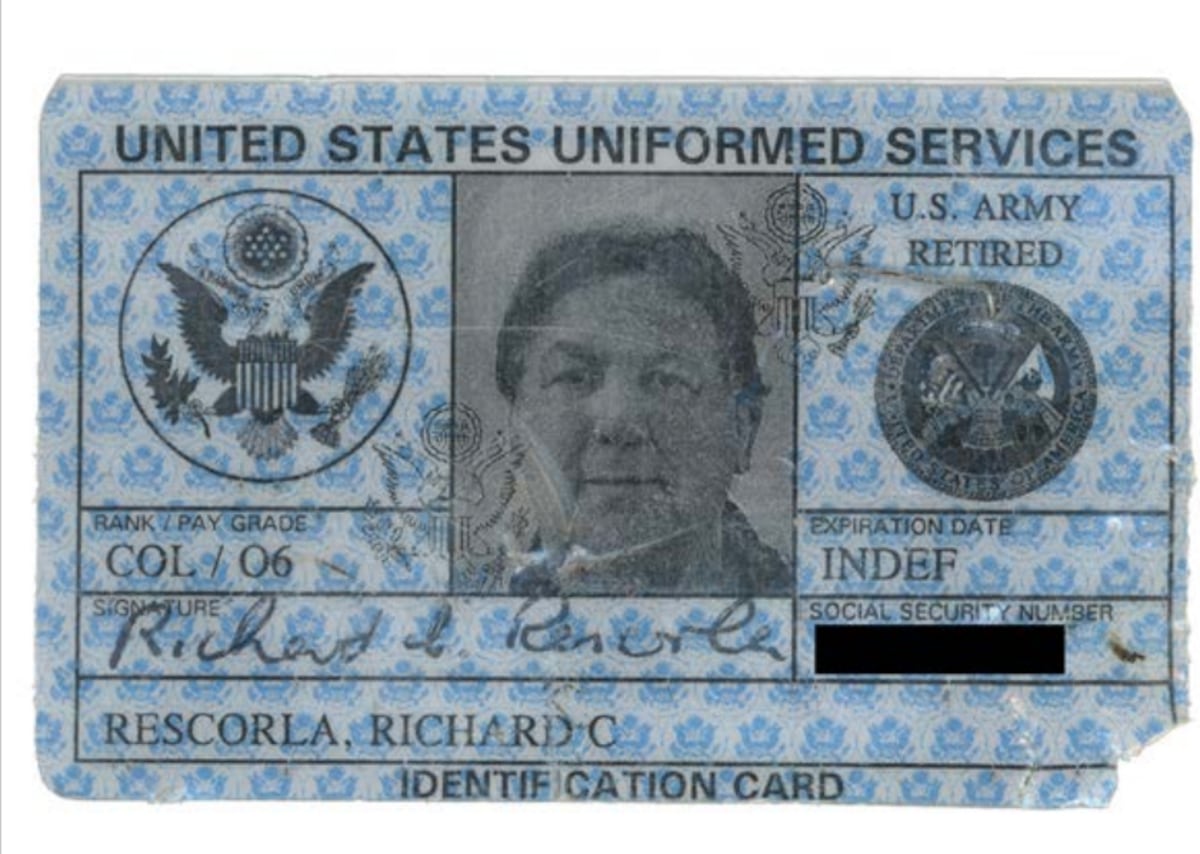
Pieces from the exhibit include the Pentagon clock, first installed in the early 1940s, that marks the moment Flight 77 crashed into the building; the ID card belonging to Rick Rescorla — a decorated Vietnam veteran credited with personally saving more than 2,000 civilians — was found among the rubble near the South Tower; and a New York Police Department patrol car that was shredded by the collapse of the World Trade Center building.
The exhibit also includes the American flag — on display for the first time in nearly 20 years — that was unfurled over the smoldering Pentagon the day after the attack.
Charged with recording oral histories in the aftermath of the attack, Dr. John Lonnquest, chief of the Office of History, U.S. Army Corps of Engineers, recalled that he was just a young staff historian on that day.
“I was one of the first historians deployed to New York City,” Lonnquest told Military Times. “We did oral history interviews — back then we were armed with cassette recorders. We interviewed about 58 people, and those interviews are the heart of our collection efforts [here] because you hear in those interviews the drama, the anxiety. In some cases, raw fear of the folks as they were trying to figure out what was happening and how they could help.”
The Corps of Engineers’ response to the tragedy wasn’t piecemeal, however, but built on decades of planning.
“A sophisticated response doesn’t just happen overnight, right?” Lonnquest said. “In the Corps of Engineers, we like to say that we engineer solutions for the nation’s toughest challenges, and what you saw on 9/11 was the result of literally decades of planning. We had planning response teams. These were subject matter experts that could deploy in the span of 24 hours, so they could do debris removal, temporary power, structural assessment. So those folks were ready to go. We also had communication vans that we could dispatch to affected areas.”
One oral history that stands out to Lonnquest is that of Col. John O’Dowd who, on the evening of Sept. 11, “recalled going through the darkness and the debris piles looking for the New York City Fire Department.”
When he found them, according to the historian, “They were using paper maps on sheets of plywood spread over sawhorses. They had flashlights that were running out of batteries. They had radios that weren’t working — and they were trying to coordinate disaster response efforts. So it was then that Col. O’Dowd realized, ‘We need to get advanced comms in here.’ That was one of the many things that the Corps of Engineers could bring to the response effort.”
The museum, located just down the road from Fort Belvoir, Virginia, hopes that its latest exhibit “Steel and Stone” taps into uncharted history of the tragic event that altered the course of America in the 21st century, rooted in personal artifacts from that day.
Claire Barrett is an editor and military history correspondent for Military Times. She is also a World War II researcher with an unparalleled affinity for Sir Winston Churchill and Michigan football.
Read the full article here
