

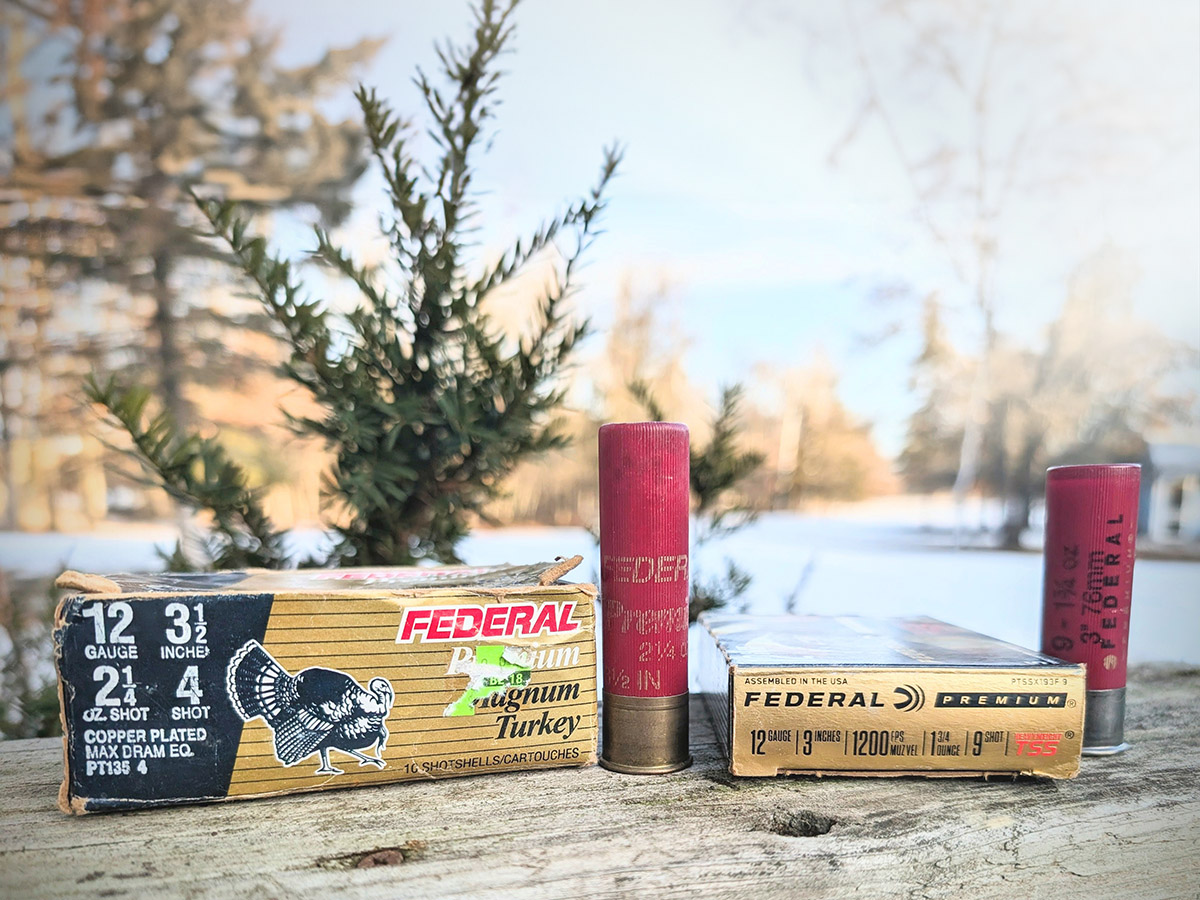

When it comes to modern shotgun shells, science beats size all day long.
The 3.5-inch shotgun shell has long been marketed as the ultimate answer for hunters who believe that more power automatically translates into more success. Introduced as a way to push heavier payloads at high velocity, it promised longer range and denser patterns, particularly for waterfowl and turkey hunters seeking an edge.
But in today’s hunting landscape, advances in ammunition design, shotgun technology and a deeper understanding of effective range have rendered the 3.5-inch shell unnecessary.
Simply put, the 3.5-inch shell needs to die.
History of the 3.5-Inch Shell
In the 1970s, there was a large push for lead ammunition to be banned. Specifically, this ban was focused on people hunting over water, as it had a negative impact on our waters and the fish and birds that utilized those waters. It took some time, but in 1991, lead was officially banned for waterfowl hunting.
Companies like Federal Premium Ammunition and O.F. Mossberg & Sons were already preparing for the changes, and, in 1988, the two companies teamed up by introducing the Mossberg 835 Ulti-Mag pump shotgun, which allowed for 3.5-inch shells available from Federal Premium. The pitch was straightforward: More room in the hull meant more pellets or more powder, resulting in either denser shot patterns or higher velocities.
At the time, this made sense. Steel shot replaced lead for waterfowl hunting due to environmental regulations, and early steel loads were less dense and less effective at longer ranges. Hunters felt underpowered. The 3.5-inch shell was positioned as the solution to compensate for steel’s lower density by simply throwing more of it downrange.
But times have changed, and ammunition has evolved.
Modern Ammunition
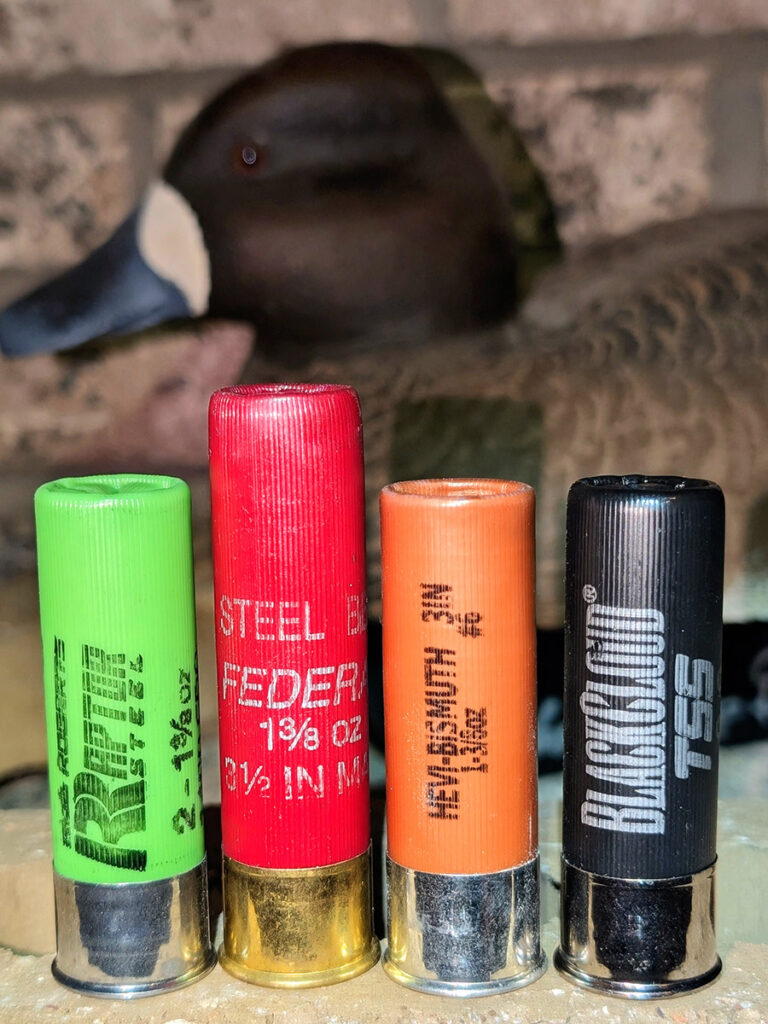
Today’s ammunition is dramatically different from what was available when the 3.5-inch shell gained traction. Advances in wad design, shot composition and buffering have improved performance across the board. High-density materials, such as tungsten-based alloys, have revolutionized shotgun effectiveness.
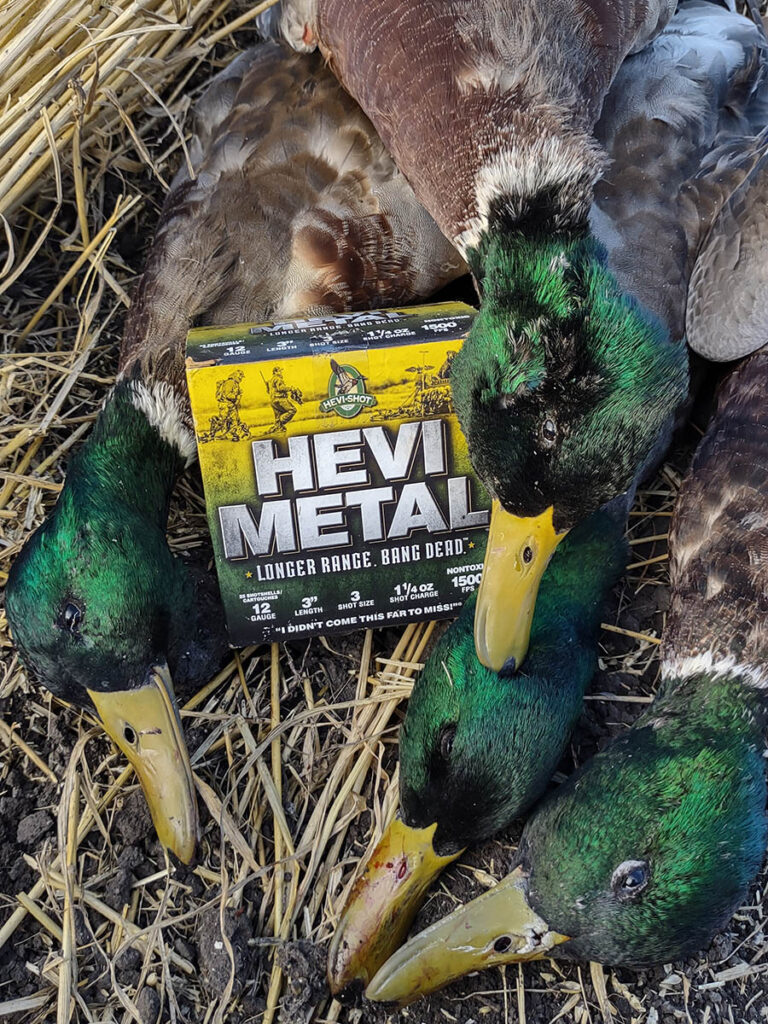
Companies like Federal Premium Ammunition, Hevi-Shot, Apex Ammunition and Winchester Repeating Arms now produce 3-inch shells loaded with tungsten super shot (TSS) or other dense materials that outperform traditional 3.5-inch steel loads in both energy retention and pattern density. Because tungsten is significantly denser than steel, smaller pellets can be used without sacrificing lethality. That means more pellets in the same payload, and more effective hits on target.
In practical terms, a modern 3-inch TSS load delivers better performance than a 3.5-inch steel magnum. The extra half inch of hull simply isn’t necessary anymore.
Recoil Is Bad
One of the most obvious drawbacks of the 3.5-inch shell is recoil. Physics simply do not lie: More powder and heavier payloads generate more kick. Even in semi-automatic shotguns designed to mitigate recoil, 3.5-inch shells produce punishing levels of force compared to 2¾- or 3-inch loads.
This recoil affects more than comfort: It reduces shooter confidence, slows follow-up shots and can contribute to flinching, especially among younger or newer hunters. In a sport that relies heavily on instinctive shooting and smooth follow-through, excessive recoil is a liability. It also increases the risk of a new shooter not continuing with the sport, as they see shooting as punishment rather than reward.
To put things into perspective, the approximate free recoil energy felt is as follows. A 2 ¾-inch steel load puts out about 26 ft-lb of recoil, a 3-inch steel load puts out about 32 ft-lb of recoil, and a 3.5-inch steel load puts out about 44 ft-lb of recoil.
If you’re more of a rifle enthusiast, imagine roughly double the amount of kick felt over a .30-06. That’s not subtle; it’s significant. Let’s also factor in recoil velocity, which is how fast the gun moves rearward.
The jump in recoil velocity from a 3- to a 3.5-inch shell is about 30 to 40 percent, depending on the specific load being sent downrange. What does that mean? It means that your shoulder might hate you after shooting 3.5-inch loads all day.
Shotguns chambered for 3.5-inch shells are often heavier to accommodate the longer receiver and thicker barrel walls required for the increased pressure. While this can help absorb some recoil, it also results in a bulkier firearm that is less nimble in the field. Studies have shown that carrying a heavier shotgun in the field increases fatigue and shortens the length of time the hunter spends afield.
Diminishing Returns
The central argument for the 3.5-inch shell has always been range and pellet count. But shotgun ballistics impose natural limits. No matter how much shot you cram into a shell, pellet energy decreases rapidly with distance due to air resistance. The difference in effective range between a well-patterned 3-inch load and a 3.5-inch load is often marginal, sometimes only a few yards. Ethical hunting depends more on proper shot placement and realistic range estimation than on brute force.
In turkey hunting, for example, many experienced hunters have transitioned back to lighter loads because modern choke systems and dense shot types deliver tight, lethal patterns without the need for magnum recoil. A carefully tuned 3-inch tungsten load through a high-quality choke out of a small-bore shotgun often performs just as well or better than a 3.5-inch load.
What About Cost?
There is also a financial argument to be made. Shotguns chambered for 3.5-inch shells typically command higher prices. The ammunition itself is more expensive, and the additional wear on firearms can increase long-term maintenance costs. When a 3-inch load can achieve similar or better performance, the additional cost of 3.5-inch capability becomes difficult to justify. Hunters are essentially paying for theoretical advantages that rarely translate into meaningful real-life gains.
Some could make the argument that tungsten ammunition is even more expensive than 3.5-inch loads, but when you factor in the wear and tear on your firearm, and the environmental impacts, it’s easily justifiable.
Game and Ethical Considerations
The marketing of the 3.5-inch shell often encourages a mindset of “more is better.” But ethical hunting is not about maximizing power; it’s about maximizing effectiveness within reasonable limits.
The illusion of extended range can tempt hunters to take longer shots than they should. Even if a 3.5-inch shell delivers slightly more pellets at 50 yards that does not make 50 yards an ethical or reliable distance for most shooters. Pattern degradation, wind drift and target movement remain significant factors.
For turkey hunters, the introduction of TSS completely rendered the 3.5-inch shell useless. With most modern turkey hunters running-and-gunning after wary, pressured gobblers, smaller and lighter is better. TSS patterns very well, increases lethal range and produces less kick. And, when you factor in that most turkey hunters shoot less than a box of shells in a season, the cost is a non-issue.
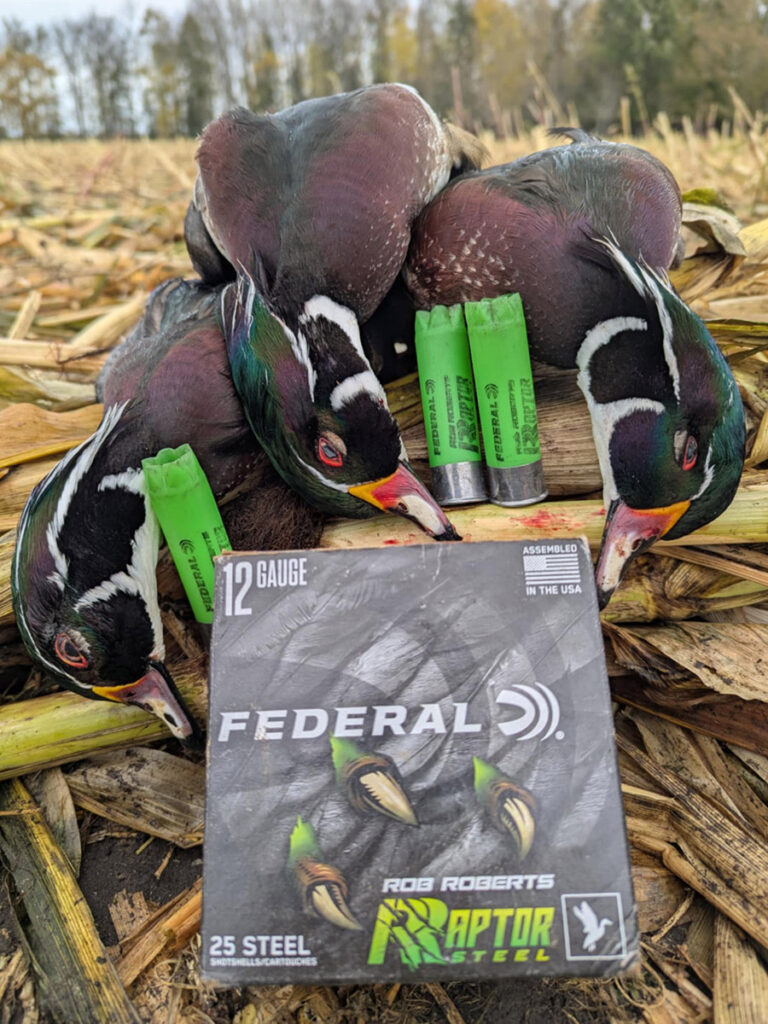
With waterfowl, the argument can get a little tougher. Hardcore waterfowl hunters are measuring the amount of shells shot in cases, not boxes, so cost is a consideration. But you don’t have to break the bank on TSS; you can shoot modern 3-inch steel that’s simply better.
Federal Premium’s Raptor Steel or Kent FastSteel, when teamed with a good choke, will outperform any standard 3.5-inch steel load on the market. Hevi-Shot offers other options like copper and stacked alloys that perform much better than steel. These options come at a far lower cost than tungsten and are still better than any 3.5-inch steel offering.
In many cases, the confidence inspired by a powerful shell may actually reduce ethical discipline.
The Rise of Small-Bore Efficiency
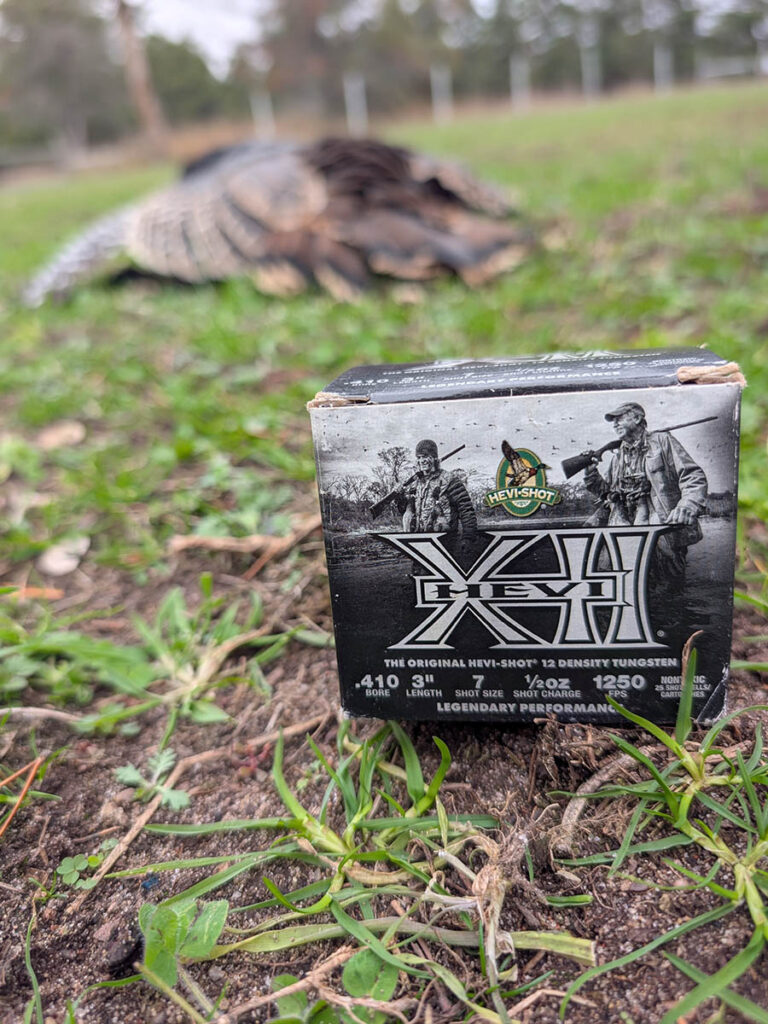
Perhaps the strongest indictment of the 3.5-inch 12-gauge shell is the rise of high-performance sub-gauge loads. With tungsten-based shot, even the .410 has become a legitimate option for turkey hunters, and a 20-gauge is a completely viable option for waterfowl hunters.
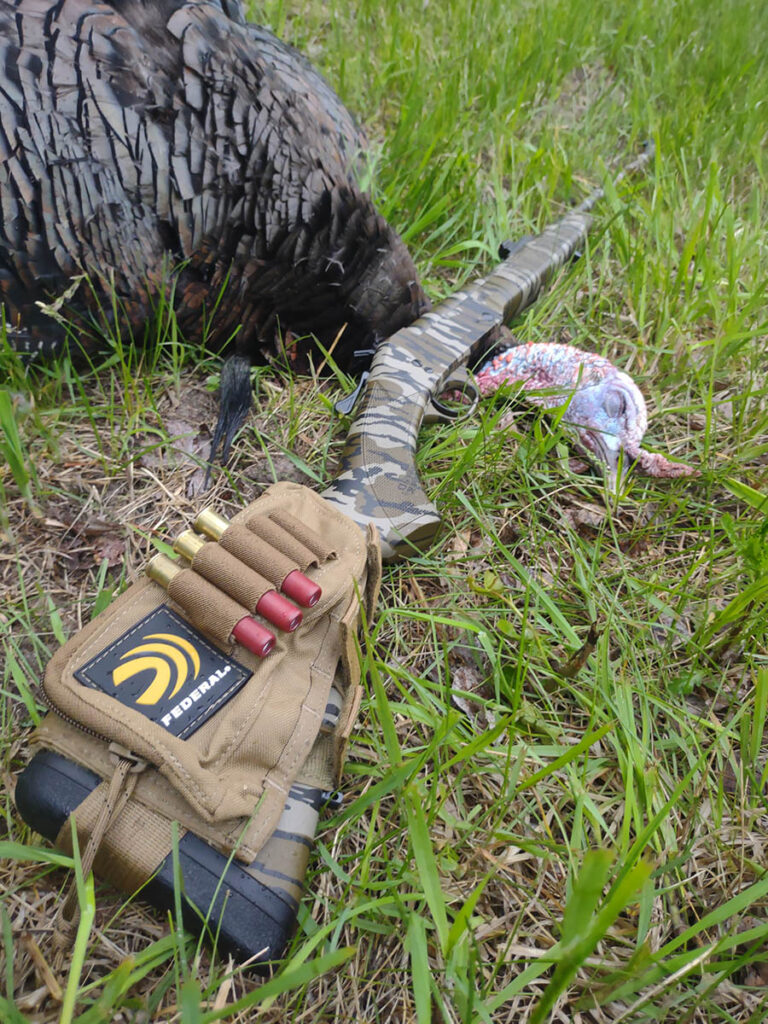
A modern 20-gauge, 3-inch TSS load can deliver pattern densities that rival or exceed traditional 12-gauge 3.5-inch steel loads, while producing far less recoil. If a smaller gauge can match the performance of the biggest mainstream 12-gauge offering, the argument for the latter weakens considerably.
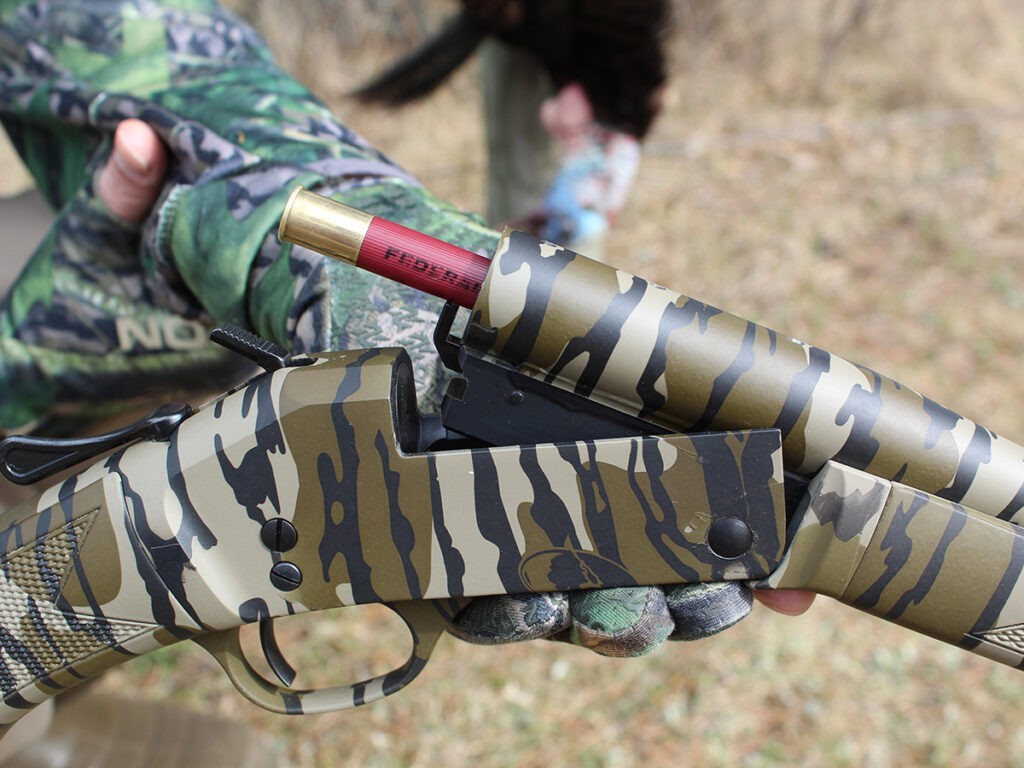
In fact, many hunters are downsizing their shotguns to improve handling and reduce fatigue, relying on superior ammunition technology rather than brute force.
TSS has completely changed how we look at things such as pellet counts and terminal velocity. A 3-inch .410 shell containing No. 9 TSS can contain about the same number of pellets at a 3.5-inch lead load. While each pellet is smaller in the .410 shell, TSS retains velocity far better and penetrates more effectively due to its density. The TSS load will routinely produce more lethal patterns at 50 yards, out of a lighter gun, with far less recoil. Choosing the smaller bore seems like a no-brainer.
Limitations of 3.5-inch Shotguns
Not all semi-automatic shotguns cycle 3.5-inch shells reliably without tuning. Some shooters report increased fouling, cycling issues or sensitivity to load variations. Pump-action shotguns handle them more consistently, but the added length can make the action feel slightly slower.
The longer receiver required for 3.5-inch shells can also affect balance. While subtle, this can matter in fast-paced shooting situations, such as waterfowl hunting.
And for what? A marginal increase in pellet count that modern ammunition science has largely made irrelevant.
Marketing Versus Reality
The 3.5-inch shell thrives more on perception than necessity. It represents the upper limit of what the 12-gauge can handle, and there is undeniable appeal in owning the “most powerful” option.
But firearms history is filled with examples of maximum-power offerings that eventually fell out of favor as more efficient alternatives emerged. Power without proportion rarely survives long-term scrutiny.
The same forces that made black powder obsolete, replaced fixed chokes with interchangeable systems and ushered in high-density shot materials are at work here. Efficiency, comfort and precision are replacing sheer volume.
The reality is that pellet count doesn’t always equate to better results. If we think of the initial marketing push, using 3.5-inch steel BB as our example for killing geese at longer range, we can break down the numbers and show that it’s not what we all thought we were getting.
A 3-inch steel BB shell contains approximately 79 pellets, and a 3.5-inch steel BB shell contains about 93 pellets. So, the 3.5-inch shell gives us 14 extra pellets, which is roughly a 17 percent increase in pellet count. That sounds good, right? That’s if we’re assuming that the patterns are identical, which is rarely the case, as larger payloads often make for longer shot columns and deformation.
We can’t forget the 30 to 40 percent increase in felt recoil.
Current marketing should be on the side of “more power isn’t always better.”

Yesterday’s Problem
The 3.5-inch shell was created to solve a legitimate issue: early steel shot’s poor performance compared to lead. At the time, throwing more steel made sense. The 3.5-inch steel loads, upon release, were groundbreaking and solved a real issue for hunters.
Today, we have better steel, better wads, better chokes and access to high-density alternatives that far outperform any 3.5-inch offering. The technological landscape has changed, but the 3.5-inch shell remains largely the same, a brute-force solution in a precision era.
Its continued presence in the market is simply unnecessary.
Conclusion
The 3.5-inch shotgun shell is not useless. It still works, and it still harvests game. But obsolescence does not require total failure, it simply means being surpassed by better solutions.
Modern 3-inch loads deliver comparable or superior performance with less recoil, lower cost, lighter firearms and improved shooter confidence. Advances in shot composition and pattern control have eliminated the need for excessive payloads. Ethical hunting practices emphasize effective range and shot placement over raw pellet count.
In a world where ammunition science has advanced dramatically, the 3.5-inch shell stands as a relic of an earlier era, of a time when more seemed like the only answer. Today, smarter, not bigger, wins every time.
For those reasons, the 3.5-inch shotgun shell should die—not because it cannot perform, but because it no longer needs to.
Field Notes: Predator Hunting
Initially, 3.5-inch shells weren’t marketed for predator hunters, but those in the know found them to be of great use. For many predator hunters, the 3.5-inch loads were a big deal, game-changing in the early ’90s. It gave them a few extra pellets to throw at a predator that came in tight … too tight for a clear rifle shot. A few 3.5-inch 12-gauge BBB or T-shot shells were probably laying around in many predator hunter’s bags, and before the introduction of modern predator loads, they were considered to be the top choice for most shotgunning predator hunters.
Modern technology changed that. Hevi-Shot introduced the Dead Coyote loads in 2008, designed specifically for predator hunting with high-density 12 g/cc pressured tungsten pellets. Dead Coyote 3-inch 12-gauge 00 Buckshot has incredibly dense patterns and is lethal out to 70 yards on everything from fox and coyotes to bobcats and hogs.
Other manufacturers have jumped on board with premium 3-inch offerings. Apex has the TSS Predator loads, Winchester has the Varmint X, and Hornady has the Heavy Magnum Coyote. All of them are viable options that outperform anything in the 3.5-inch arena.
Just one more reason for 3.5-inch shells to die.
Editor’s Note: This article originally appeared in the May 2026 issue of Gun Digest the Magazine.
More On Shotguns
Read the full article here
