

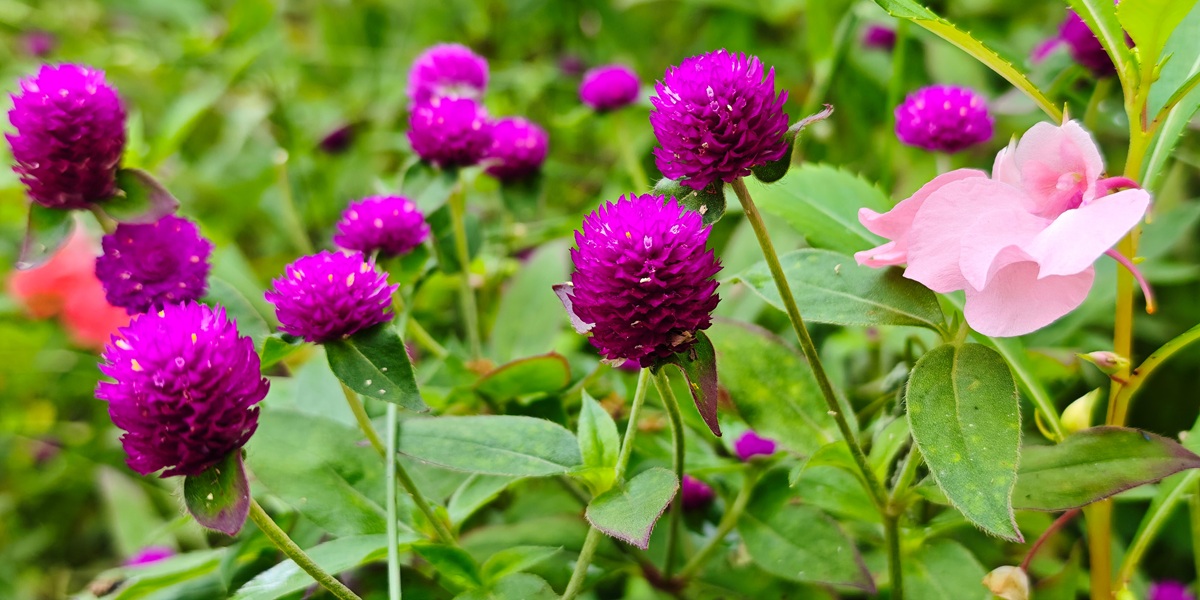

When it comes to prepping for real food shortages, few plants give you the return on effort that the amaranth plant does. It’s resilient, nutrient-dense, and brutally efficient. This is the kind of plant that keeps showing up in survival histories for a reason.
If you’re serious about food independence, long-term resilience, and surviving supply-chain chaos, the amaranth plant deserves a permanent place in your plan.
What Is the Amaranth Plant?
Amaranth is a group of fast-growing annual plants cultivated for thousands of years across the Americas, Africa, and Asia. Ancient civilizations relied on it because it produced large amounts of food with minimal care, even in poor soil conditions.
Unlike modern crops bred for appearance and shipping durability, the amaranth plant was valued for pure utility. It grows tall, produces massive seed heads, and offers edible leaves early in its life cycle.
Another critical detail preppers should know: amaranth is a pseudocereal, not a true grain. This means it behaves like a grain nutritionally but grows like a leafy plant, giving you flexibility in how you use it during different stages of growth.
Even better, the amaranth plant thrives without synthetic fertilizers or constant watering, making it ideal for low-input survival gardening.
Why the Amaranth Plant Matters for Preppers
In a grid-down scenario or prolonged food shortage, calories alone aren’t enough. You need nutrient density, protein, and foods that don’t require advanced processing. The amaranth plant checks every box.
Its seeds contain complete protein, including lysine, which is rare in plant-based foods. This makes it especially valuable if meat becomes scarce or unavailable.
Beyond nutrition, amaranth offers reliability. While many crops fail under heat stress or drought, amaranth continues growing aggressively. It doesn’t panic when conditions worsen — it adapts.
This plant also fits perfectly into a layered survival strategy. You can harvest leaves early for greens while waiting for seeds later, spreading food production across the growing season instead of gambling on a single harvest window.
How to Grow Amaranth: A Step-by-Step Guide
Growing the amaranth plant doesn’t require specialized tools, greenhouses, or advanced knowledge. That’s why it’s perfect for beginner preppers and experienced homesteaders alike.
Plant seeds after the last frost once soil temperatures warm. Amaranth loves heat and sunlight, so full sun exposure dramatically improves yield.
Once established, the plant requires surprisingly little maintenance. It competes well against weeds, resists most pests, and doesn’t collapse under dry conditions.
As the plant matures, its thick stalk and heavy seed head signal when harvest time is near. You don’t need machines — just cut, dry, and thresh by hand. This simplicity matters when fuel, electricity, or tools are limited.
Cooking and Using the Amaranth Plant
One reason the amaranth plant shines in survival situations is its versatility in the kitchen. The seeds cook similarly to rice or porridge, making them easy to integrate into familiar meals.
The leaves function like spinach but are often more resilient and less bitter when cooked. They can be eaten raw when young or added to soups, stews, and skillet meals.
Amaranth flour can be produced using simple grinding methods, even with manual tools. While it’s gluten-free, it blends well with other flours for baking survival breads and flatbreads.
Because both seeds and leaves are edible, amaranth reduces waste. Every part of the plant contributes calories or nutrients, which is exactly what you want during hard times.
Common Mistakes Preppers Make With Amaranth
One of the most common mistakes is underestimating how large the amaranth plant gets. Crowding plants leads to weak stalks and reduced seed production.
Another issue is harvesting seeds too early. If the seed heads aren’t fully dry, you risk mold and poor storage life. Patience pays off here.
Some preppers also fail to store seeds properly. Amaranth seeds last for years when kept dry and sealed, but moisture exposure can ruin an entire harvest.
Finally, people often overlook amaranth’s value as animal feed. In a homestead scenario, excess leaves and stalks can supplement livestock diets, increasing overall system efficiency.
Recommended Resource #1: The Forager’s Guide to Wild Foods
Growing food is powerful. Knowing how to find food when gardens fail is even more powerful.
The Forager’s Guide to Wild Foods teaches you how to identify, harvest, and safely use edible plants growing around you — including wild amaranth varieties that many people walk past every day.
Why this matters for preppers:
- Not all food will come from your garden
- Wild plants become critical during displacement or crop failure
- Misidentification can be dangerous without proper knowledge
👉 Click here to buy and start learning now!
Inside this guide you’ll get:
- Clear plant identification instructions
- Seasonal foraging strategies
- Safety rules for wild harvesting
- Practical survival food knowledge
This book turns the land around you into a backup pantry.
Recommended Resource #2: Wilderness Long-Term Survival Guide
Food is only one part of survival. The Wilderness Long-Term Survival Guide teaches you how to stay alive when comfort systems collapse.
This guide focuses on practical, repeatable skills that work without electricity, fuel, or modern infrastructure.
Why it pairs perfectly with the amaranth plant:
- Growing food means nothing if you can’t secure water
- Survival requires shelter, fire, navigation, and adaptability
- Long-term crises demand sustainable routines, not short-term hacks
👉 Click here to learn more and get the guide!
Inside you’ll learn:
- Long-term off-grid survival strategies
- Water sourcing and purification
- Shelter building techniques
- Realistic preparedness skills
This guide prepares you for survival beyond the garden.
Final Word
The amaranth plant is one of the smartest survival crops you can grow. It’s tough, nutritious, forgiving, and brutally efficient.
You may also like:

The 10 Plants You Should Look For If You Ever Get Lost in the Woods
The “Doomsday Ration” That Can Keep an Adult Well Fed For Just $0.37/day (Video)
10 Plants Soldiers Looked for During the Civil War
Activated Charcoal for Naturally Healing Wounds
Read the full article here
